
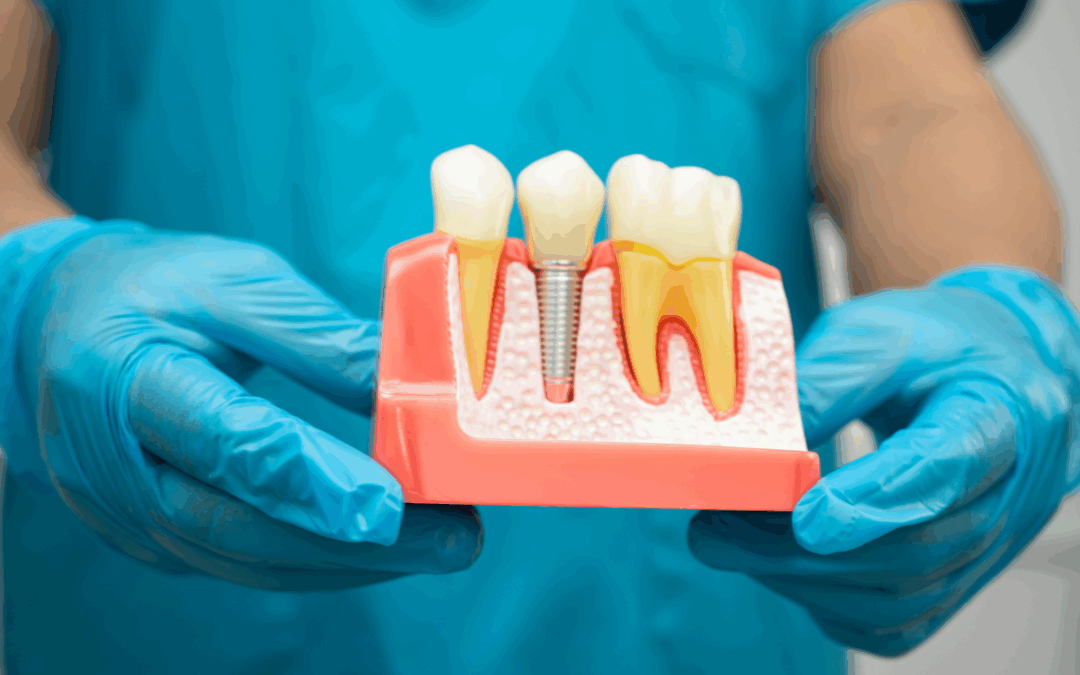
Getting dental implants is a big step toward restoring your smile and confidence. But many patients wonder: “How long after dental implants can I talk normally?” It’s a valid concern, especially if your job or lifestyle requires clear speech. Whether you’re preparing for the procedure or recovering, understanding the timeline and tips for regaining normal speech can make the process smoother.
At North Scottsdale Dentistry, we’re here to guide you through every phase of your dental implant journey. In this blog, we’ll break down what affects your speech after implants, when you can expect to sound like yourself again, and how to speed up recovery.
Why Speech May Change Temporarily After Implants
It’s completely normal to experience slight changes in your speech right after getting dental implants. Here’s why:
- Swelling: Minor inflammation in the gums and surrounding areas can make it difficult to pronounce certain words.
- Numbness: Local anesthesia or sedation may temporarily affect tongue or lip movement.
- New Sensation: Your tongue and mouth need time to adjust to the shape and feel of the implants, especially if they’re supporting temporary dentures or bridges.
- Prosthetic Interference: In cases where a temporary crown or bridge is placed, it may slightly interfere with your normal tongue movements.
These changes are usually short-term and improve as healing progresses.
When Will You Start Speaking Normally Again?
While every patient heals differently, most people start noticing improvement in speech within a few days to two weeks after the procedure. Here’s a general timeline:
- Day 1–3: Speech may feel slightly off due to swelling and numbness. Stick to soft communication—texting or resting your voice helps.
- Day 4–7: Swelling begins to reduce. You’ll likely start regaining clearer speech, though some words may still be tricky.
- Week 2 and Beyond: Most patients can speak normally. Your tongue adjusts to any new prosthetics or crowns.
- After Final Crowns (3–6 months): Once permanent crowns are placed, your speech should feel completely natural.
If you’ve received dental implants, our Scottsdale team will guide you with speech techniques and personalized advice to aid your adjustment.
Factors That Influence How Quickly You Regain Normal Speech
Several elements can impact how fast you can talk normally after dental implants:
- Number of implants placed: Single implants tend to affect speech less than full arch replacements.
- Type of restoration: Fixed bridges or full dentures can require a longer adjustment period.
- Placement location: Front teeth replacements may impact speech more than molars.
- Pre-existing speech issues: If you had lisping or pronunciation concerns before, it may take slightly longer to adjust.
- Tongue positioning: Adjusting tongue placement over the new teeth is essential for clear articulation.
- Healing response: Everyone’s mouth heals at its own pace. Good oral hygiene helps speed it up.
Tips to Help You Talk Normally Again After Dental Implants
Here are some tried-and-true methods to help restore your speech quickly:
- Practice speaking out loud: Read aloud or have small conversations to retrain your tongue and muscles.
- Use tongue exercises: Simple movements like rolling your tongue or stretching it to touch various parts of your mouth can help.
- Repeat difficult words: Focus on words that are harder to pronounce, especially those with “s,” “sh,” or “th” sounds.
- Stay hydrated: Keeping your mouth moist can reduce friction and aid smoother pronunciation.
- Limit unnecessary talking (first few days): Allow your mouth to rest and heal.
- Follow-up visits: Attend all appointments with your dentist to ensure proper fit and healing.
- Use mirror practice: Watch your mouth as you speak to understand how movements are changing and correcting.
If you experience prolonged difficulties, don’t worry. At North Scottsdale Dentistry, we offer personalized support and adjustments to help you regain your confidence.
Why Speaking Clearly Again Is Worth the Wait
While the initial adjustment period might feel uncomfortable, it’s temporary, and the long-term benefits far outweigh the inconvenience. With dental implants, you’re not just getting a natural-looking smile; you’re also restoring function, clarity, and confidence in everyday conversations.
Once healed, dental implants actually help improve speech. Unlike dentures, which may slip or cause slurring, implants are securely anchored. They allow for better pronunciation and eliminate the awkward clicks or lisps associated with removable prosthetics.
FAQs About Talking After Dental Implants
Can I talk right after dental implant surgery?
Yes, but it might feel strange. It’s best to limit talking for the first 24–48 hours to reduce swelling and allow healing.
Will I sound different permanently?
No. Any speech changes are temporary. Once you adjust to the implants, your speech will return to normal—or even improve.
Are certain words harder to pronounce after getting implants?
Yes, especially those that require the tongue to touch the front teeth or roof of the mouth. Practicing “s,” “sh,” and “th” words can help.
Do full-mouth implants take longer to adjust to than single implants?
Generally, yes. Larger restorations may take a few extra weeks for full speech adaptation.
Should I avoid social speaking events after my procedure?
If possible, give yourself at least 3–5 days before attending social or professional speaking engagements.
Can speech therapy help if I still struggle after a few weeks?
Absolutely. Though rarely needed, a speech therapist can assist with retraining your tongue and improving articulation.
Getting dental implants is an investment in your smile, function, and speech. At North Scottsdale Dentistry, we understand that talking clearly is essential to feeling confident in everyday life. Our expert team supports you from consultation to full recovery, ensuring your speech returns smoothly and naturally.
If you’re considering implants or have concerns post-surgery, schedule a consultation with us for guidance and personalized care.