
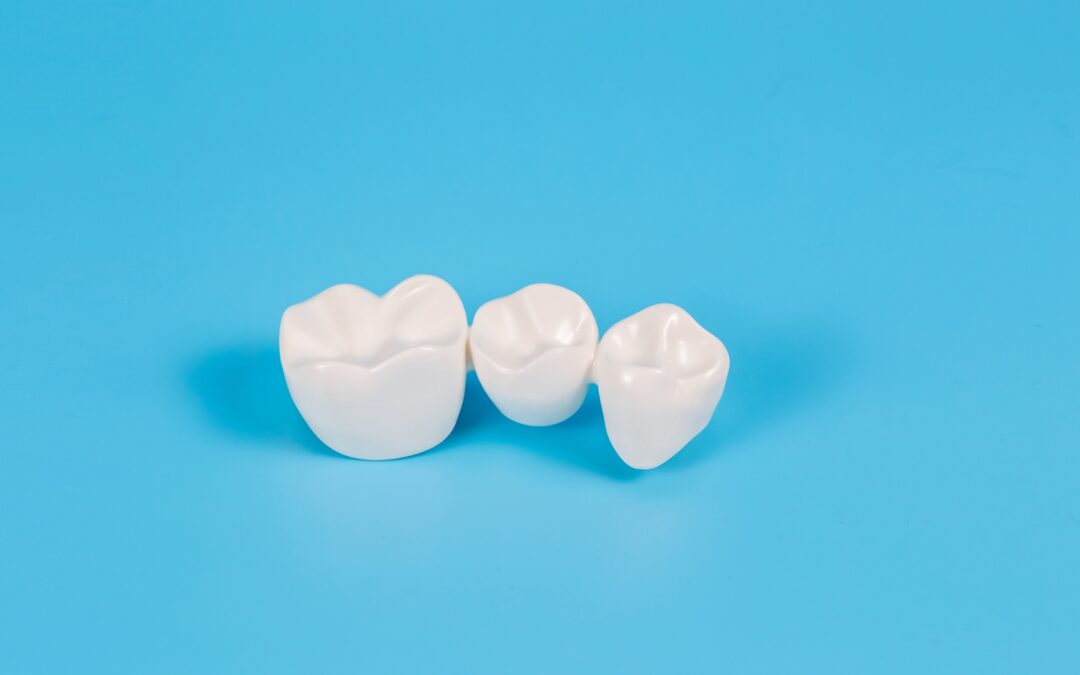
Your teeth work hard every single day. They chew, grind, and help you speak clearly. But sometimes, they need extra protection to keep doing their job. That’s where dental crowns come in. A crown acts like a protective helmet for a damaged or weakened tooth, preventing it from breaking completely.
The good news? You don’t have to wait until a tooth breaks to get help. At North Scottsdale Dentistry in Scottsdale, AZ, we help patients recognize the warning signs early so they can save their natural teeth and avoid more complicated treatments down the road.
Many people don’t realize their tooth needs a crown until it’s too late. By learning these warning signs, you can take action before you face a dental emergency. Let’s explore the key indicators that suggest you might need a dental crown in Scottsdale.
Common Warning Signs That You Need a Dental Crown
1. Persistent Tooth Pain or Sensitivity
Does one of your teeth hurt when you drink something hot or cold? Sharp pain that lasts more than a few seconds often means the tooth’s structure is compromised. This sensitivity happens when the protective enamel wears away or cracks form in the tooth.
A crown can cover and protect the exposed areas, giving you relief and preventing further damage. Don’t ignore ongoing discomfort. What starts as mild sensitivity can quickly turn into severe pain requiring emergency dental care.
2. Visible Cracks or Chips in Your Tooth
Take a look at your teeth in the mirror. Do you see any small cracks, chips, or rough edges? Even tiny fractures can grow larger over time, especially when you chew hard foods or grind your teeth at night.
According to the American Dental Association, cracked teeth are one of the leading causes of tooth loss in adults. A crown placed early can hold the tooth together and prevent the crack from spreading deeper into the root.
3. A Large Filling That’s Worn Down
Fillings don’t last forever. If you have an old, large filling that takes up more than half of your tooth, the remaining tooth structure becomes weak. These teeth are at high risk for breaking because there isn’t enough natural tooth left to support normal chewing forces.
Your dentist in Scottsdale can evaluate whether a crown would provide better long-term protection than replacing the filling again.
4. Discoloration or Dark Spots on a Tooth
Has one tooth changed color compared to the others? A gray, brown, or dark appearance often signals that the tooth’s nerve is dying or already dead. This typically happens after trauma or from untreated decay that reached deep into the tooth.
After root canal therapy, the tooth becomes brittle and needs a crown to restore its strength and appearance. The National Institute of Dental and Craniofacial Research reports that crowned teeth after root canals have much higher survival rates than those left unprotected.
5. Previous Root Canal Treatment
Speaking of root canals, if you’ve had this procedure done, a crown is usually the next step. Root canal therapy removes the tooth’s internal blood supply, making it more fragile. Think of it like a tree without water, it becomes dry and prone to breaking.
A crown reinforces the tooth and allows it to function normally for many years. At North Scottsdale Dentistry, we work with you to ensure your crowned tooth looks natural and feels comfortable.
6. Grinding or Clenching Your Teeth
Do you wake up with jaw pain or headaches? You might grind your teeth at night without realizing it. This habit, called bruxism, puts enormous pressure on your teeth and can wear them down significantly.
Teeth that are already weakened from grinding are excellent candidates for crowns. The crown provides a stronger surface that can better withstand the forces of clenching and grinding.
7. Difficulty Chewing on One Side
If you find yourself avoiding certain foods or only chewing on one side of your mouth, listen to that instinct. Your body is trying to protect a weak tooth. This avoidance behavior often means the tooth is cracked or the structure is failing.
Waiting too long can lead to a complete break, which might require extraction instead of a simple crown. Early intervention saves your natural tooth and costs less in the long run.
8. Recurring Decay Around Old Dental Work
Sometimes decay keeps coming back in the same spot, even after multiple fillings. This pattern suggests that the tooth needs more comprehensive coverage. A crown seals the entire visible portion of the tooth, making it much harder for bacteria to cause new cavities.
What Happens During a Dental Crown Procedure
Getting a crown at our Scottsdale dental office is straightforward. First, we numb the area and shape the tooth to make room for the crown. Then we take detailed impressions or digital scans. You’ll wear a temporary crown while the permanent one is crafted to match your other teeth perfectly.
At your second visit, we remove the temporary crown and bond the permanent one in place. The entire process is comfortable, and most patients experience minimal discomfort afterward.
Why You Shouldn’t Wait
Delaying crown treatment can lead to serious problems. A tooth that could have been saved with a crown might need extraction if it breaks below the gum line. Tooth extraction leads to bone loss, shifting teeth, and the need for implants or bridges, which are more expensive and time-consuming.
Acting quickly also means less pain and fewer appointments. Your dentist in Scottsdale can often prevent emergency situations with early crown placement.
Schedule Your Appointment at North Scottsdale Dentistry
Don’t wait until your tooth breaks. If you’re experiencing any of these warning signs, it’s time to schedule an examination. Our team at North Scottsdale Dentistry in Scottsdale, AZ uses advanced technology to diagnose tooth problems accurately and create beautiful, durable crowns that protect your smile.
We understand that dental visits can feel stressful. That’s why we focus on creating a comfortable, welcoming environment where you can ask questions and feel confident about your treatment plan.
Call us today to schedule your consultation. We’ll evaluate your tooth, discuss your options, and help you make the best decision for your oral health. Your smile deserves the best care available in Scottsdale.
Don’t let tooth damage get worse. Contact North Scottsdale Dentistry in Scottsdale, AZ today and protect your smile with a high-quality dental crown. Your future self will thank you.
Frequently Asked Questions
Q 1. How long do dental crowns last?
Ans: Most dental crowns last between 10 to 15 years with proper care. Some patients have crowns that last even longer. Good oral hygiene, regular dental checkups, and avoiding habits like chewing ice or opening packages with your teeth help extend the life of your crown.
Q 2. Are dental crowns painful to get?
Ans: No, the procedure is not painful. We use local anesthesia to numb the area completely before we begin. You might feel some pressure during the tooth preparation, but you shouldn’t feel pain. After the numbness wears off, you may have mild sensitivity for a few days, which is normal and manageable with over-the-counter pain relievers.
Q 3. What materials are dental crowns made from?
Ans: Crowns can be made from several materials including porcelain, ceramic, metal alloys, or a combination. Porcelain and ceramic crowns look most natural and work great for front teeth. Metal crowns are incredibly strong and often used for back molars. Your dentist in Scottsdale will recommend the best material based on the tooth’s location and your specific needs.
Q 4. How much does a dental crown cost in Scottsdale?
Ans: The cost varies depending on the material used and your insurance coverage. Many dental insurance plans cover a portion of crown costs. At North Scottsdale Dentistry, we provide detailed cost estimates before treatment and work with most insurance providers. We also offer flexible payment options to make quality dental care accessible.
Q 5. Can a crowned tooth get cavities?
Ans: While the crown itself can’t decay, the natural tooth underneath can still get cavities where the crown meets the tooth. This is why maintaining excellent oral hygiene is critical. Brush twice daily, floss carefully around the crown, and visit your dentist regularly for cleanings and checkups.