
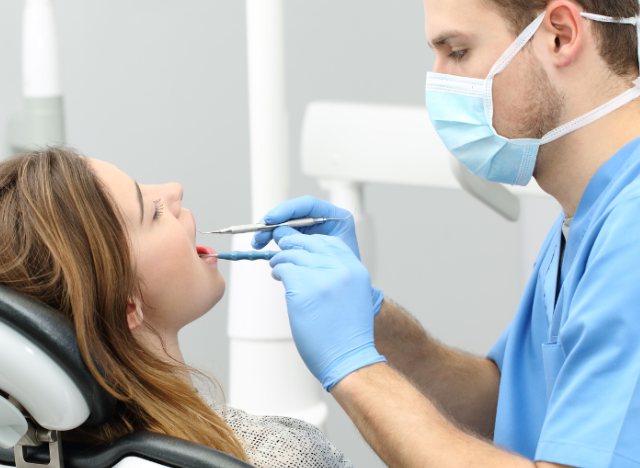
Dental visits can feel scary for many people. You are not alone if you feel nervous before a cleaning. Fear of pain, sounds, or past bad visits can make even routine care feel hard. The good news is that there are simple ways to make visits easier and more calm. With the right steps, you can feel more in control and protect your oral health at the same time.
At North Scottsdale Dentistry in Scottsdale, AZ, patient comfort is always a top focus. This guide will help you understand dental anxiety and how to manage it with ease.
What Is Dental Anxiety?
Dental anxiety is the fear or stress linked to dental visits. It can range from mild worry to strong fear. Some people even avoid care for years because of it.
Common causes include:
- Fear of pain
- Past bad experiences
- Feeling out of control in the chair
- Sounds and smells in the office
If you have ever searched for a dentist while feeling unsure or tense, you already know how real this feeling can be.
Why Routine Cleanings Matter
Routine cleanings help remove plaque and prevent gum disease. Skipping visits can lead to bigger problems like cavities or infections.
According to the American Dental Association, regular visits help catch issues early and keep your smile healthy. Cleanings are quick, simple, and key to long-term care.
Simple Ways to Reduce Anxiety Before Your Visit
1. Choose the Right Dental Office
Look for a place that focuses on patient comfort. Reading reviews or asking friends helps. When people search online for a “dentist near me in Scottsdale, AZ,” they often check for gentle care and friendly staff.
A calm and caring team can make a big difference.
2. Talk About Your Concerns
Always share your fears with your dental team. A good provider will listen and adjust your care. Clear talks build trust and reduce stress.
You can also learn more about managing fear from the Mayo Clinic guide on dental anxiety.
3. Schedule Smartly
Pick a time when you feel relaxed. Morning visits work well for many people. Avoid times when you feel rushed or tired.
4. Use Relaxation Techniques
Deep breathing helps calm your body. Try this simple method:
- Breathe in for 4 seconds
- Hold for 4 seconds
- Breathe out for 4 seconds
Repeat until you feel calm.
You can also listen to music or a podcast during your visit.
What to Expect During a Cleaning
Knowing what will happen can ease fear. A standard cleaning includes:
- A quick exam of your teeth and gums
- Removal of plaque and tartar
- Polishing your teeth
- Flossing
Most cleanings are not painful. If you feel discomfort, let your dental team know right away.
The Cleveland Clinic explains that cleanings are safe and simple for most patients.
Tips to Stay Calm During the Visit
Bring a Comfort Item
A small item like headphones or a stress ball can help.
Use Hand Signals
Agree on a signal with your provider. This gives you control if you need a break.
Focus on Breathing
Slow breathing keeps your heart rate steady and your mind calm.
Building a Positive Routine
The more often you go, the easier it gets. Routine visits help you feel familiar with the process. Over time, fear fades and confidence grows.
If you delay care, anxiety can grow stronger. Taking small steps now helps avoid bigger problems later.
When to Seek Extra Help
If your fear feels too strong, ask about extra options like:
- Mild sedation
- Shorter visits
- Step-by-step care plans
These options help many patients feel more relaxed and in control.
Conclusion: Take the First Step Toward Stress-Free Care
Dental anxiety should not stop you from getting the care you need. With simple steps, you can feel more calm and confident during cleanings. Start by choosing a caring team, speaking openly, and using relaxation methods that work for you.
If you are ready to take control of your dental health, now is the right time to act. You can schedule an consultation and contact a local dental office to begin your journey toward stress-free care. A healthier smile starts with one simple step.
FAQs About Dental Anxiety
1. Is dental anxiety common?
Ans: Yes, many people feel nervous before visits. It is one of the most common health fears.
2. Can I tell my dental team about my fear?
Ans: Yes, and you should. Open talks help them adjust your care.
3. Are cleanings painful?
Ans: Most are not. You may feel slight pressure, but pain is rare.
4. What if I have not seen a dentist in years?
Ans: That is okay. Start fresh and take it one step at a time.
5. Can sedation help?
Ans: Yes, mild options can help you relax during the visit.
6. How often should I get a cleaning?
Ans: Most people need one every six months.