
Maintaining good oral hygiene doesn’t always require fancy products or expensive treatments. Sometimes, the simplest solutions can be the most effective—and a salt water mouth rinse is a perfect example. For generations, people have used salt water to soothe oral discomfort and promote healing. But have you ever wondered why it works so well?
At North Scottsdale Dentistry, our team often recommends this tried-and-true remedy for a variety of dental concerns. Whether you’re recovering from a dental procedure or just looking to keep your gums healthy, a salt water mouth rinse can do wonders for your oral health.
How Salt Water Supports a Healthy Mouth
Salt water (a mix of sodium chloride and warm water) creates an environment that bacteria struggle to survive in. It doesn’t just wash away food debris—it helps balance your mouth’s pH and supports your body’s natural healing process.
When you rinse with salt water, it:
- Helps flush out harmful bacteria and plaque
- Reduces inflammation in the gums
- Encourages healing of mouth sores or wounds
- Minimizes discomfort after dental treatments
Because of these benefits, our dentist in Scottsdale may recommend salt water rinses as part of your oral care routine, especially after extractions, cleanings, or gum treatments.
Top Benefits of Salt Water Mouth Rinses
Let’s take a closer look at the specific ways salt water rinses benefit your oral health.
- Fights Harmful Bacteria Naturally
Unlike harsh mouthwashes with alcohol, a salt water rinse is gentle yet effective. It alters the mouth’s pH, creating an alkaline environment where bacteria can’t thrive. This simple rinse helps prevent infections and bad breath, keeping your mouth feeling fresh and clean.
- Reduces Gum Inflammation and Sensitivity
If your gums feel swollen, tender, or irritated, rinsing with salt water can bring quick relief. The warm solution helps reduce swelling and promotes blood circulation in the gums. This makes it especially useful for patients dealing with gingivitis or gum irritation.
- Promotes Faster Healing After Dental Procedures
Following dental surgeries—like tooth extractions, implants, or deep cleanings—your dentist may suggest a salt water rinse. Its mild antiseptic properties help prevent infection while soothing the area, promoting faster tissue healing without the sting of chemical mouthwash.
- Relieves Mouth Sores and Ulcers
Canker sores and small cuts in the mouth can be uncomfortable. Salt water acts as a natural disinfectant, cleaning the affected area and reducing pain. Rinsing a few times a day can help the sores heal faster and keep them from getting worse.
- Freshens Breath the Natural Way
Bad breath often comes from bacteria buildup or gum issues. Salt water rinses can help by removing odor-causing bacteria and food debris. It’s a natural way to refresh your breath—without artificial flavors or additives.
How to Use Salt Water for Oral Care
Using a salt water rinse is simple. Here’s how to do it correctly:
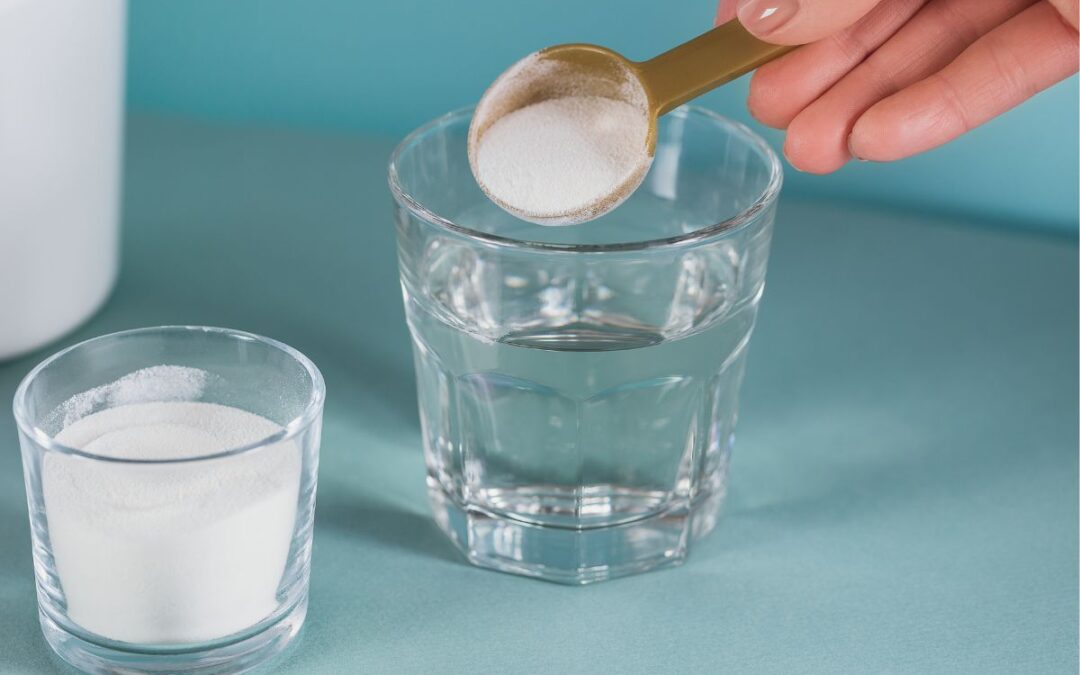
- Mix your solution – Add half a teaspoon of salt to a cup of warm water (about 8 ounces). Stir until the salt dissolves.
- Rinse, don’t swallow – Take a sip and swish the solution gently around your mouth for 20–30 seconds.
- Repeat – Do this two to three times a day, especially after meals or dental treatments.
- Pro tip: Use warm water, not hot—it’s more soothing for sensitive gums.
How Often Should You Rinse with Salt Water?
For most people, rinsing once or twice daily is plenty. However, after dental procedures, your dentist may recommend rinsing more frequently for a few days. Be sure not to overdo it—too much salt can dry out the mouth or irritate the soft tissues.
Are There Any Downsides to Salt Water Rinses?
While salt water is generally safe, using it too often or with too much salt can cause problems like:
- Dry mouth – Excess salt may draw moisture away from your tissues.
- Tooth sensitivity – Overuse might slightly irritate enamel or gums.
- Mild burning – Very salty mixtures can sting sensitive areas.
If you experience discomfort, dilute the solution more or reduce how often you rinse.
Common Questions About Salt Water Mouth Rinses
Q. Is it good to rinse your mouth with salt water?
A. Yes! It’s a natural way to clean your mouth, reduce bacteria, and promote healing without harsh chemicals.
Q. Is table salt okay for a mouth rinse?
A. Absolutely. Regular table salt or sea salt both work well—just ensure it’s fully dissolved in warm water.
Q. Can a salt water rinse heal an infection?
A. While it won’t replace antibiotics if needed, it can help control bacterial growth and speed up healing for minor infections or irritations.
Q. How long should you salt rinse your mouth?
A. Swish for about 20–30 seconds before spitting it out. Avoid swallowing the solution.
Q. Should I brush my teeth after doing a salt water rinse?
A. Yes, but wait a few minutes before brushing. This allows the rinse to finish its soothing effect without immediate disruption.
Q. Can salt water get rid of yellow teeth?
A. Salt water can remove surface debris and plaque buildup, which may make teeth appear cleaner. However, it won’t whiten enamel like professional whitening treatments.
Q. What does salt water do to your mouth?
A. It neutralizes acids, reduces bacteria, eases inflammation, and helps heal wounds—making it one of the simplest ways to maintain a healthy mouth.
A Simple Habit for a Healthier Smile
Incorporating a salt water rinse into your daily oral hygiene routine is an easy, affordable way to support your dental health. From soothing sore gums to preventing infection, this natural remedy has stood the test of time.
At our dental practice, we love helping patients discover effective ways to care for their smiles—whether that’s through professional dental treatments or simple at-home habits like salt water rinsing.