
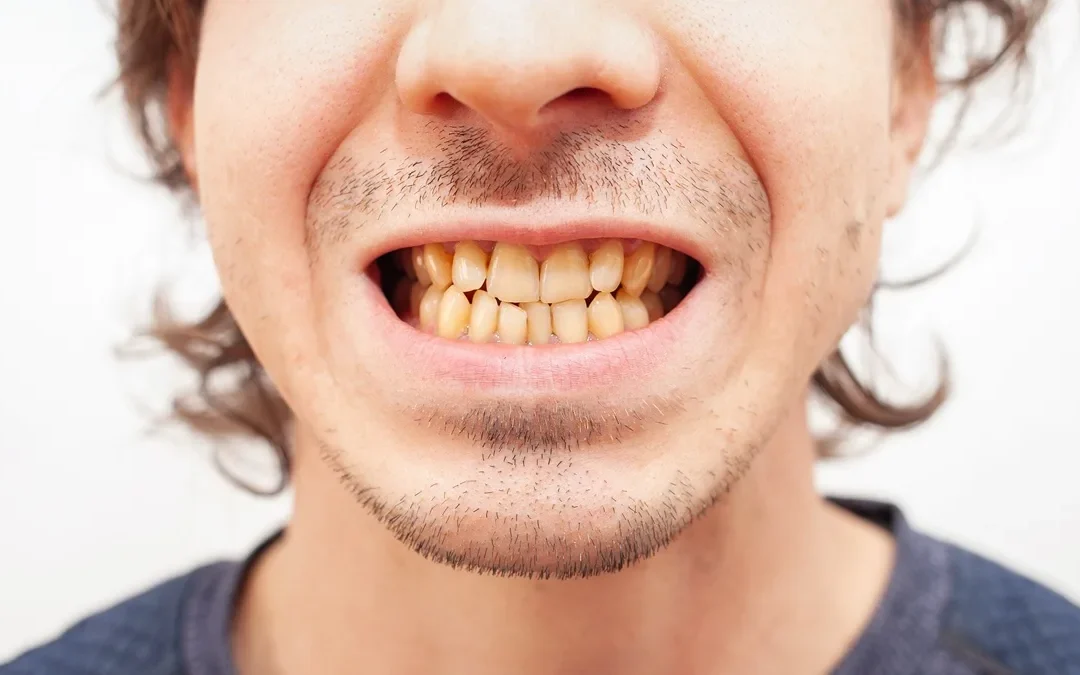
You followed the instructions. You used the whitening kit for the full two weeks. But when you look in the mirror, your teeth are still yellow. Sound familiar? You’re not alone. At North Scottsdale Dentistry in Scottsdale, AZ, this is one of the most common concerns we hear.
Not All Yellow Teeth Are the Same
This is the most important thing to understand. There are two types of tooth discoloration: extrinsic and intrinsic.
Extrinsic stains sit on the surface of the tooth. They come from coffee, tea, red wine, tobacco, and certain foods. These respond well to whitening.
Intrinsic stains are inside the tooth. They come from aging, certain medications (like tetracycline), trauma, or naturally darker dentin. Whitening products have little effect on these.
If your yellowing is intrinsic, over-the-counter strips or gels won’t touch it. You need a different approach entirely.
Common Reasons Whitening Didn’t Work
1. You Used the Wrong Product
Generic whitening toothpastes and charcoal products mostly remove surface debris. They don’t contain enough peroxide to whiten enamel meaningfully.
2. Your Stains Are Too Deep
Years of coffee, wine, or tobacco create stains that penetrate the enamel layer. Light products won’t reach them.
3. Underlying Dental Issues
Untreated decay or enamel erosion can block whitening results. Thin or damaged enamel doesn’t respond to whitening as expected.
4. Genetics
Some people naturally have more yellow dentin, the layer beneath enamel. No whitening product can change what your genes have set.
5. Dehydration (Especially in Arizona)
Dry mouth from Scottsdale’s desert climate can reduce saliva, causing stains to set faster and making it harder for whitening to work well.
What Actually Works for Stubborn Yellow Teeth
- In-office professional whitening with higher peroxide concentration
- Custom take-home trays from your dentist for gradual deep whitening
- Dental veneers or bonding for severe intrinsic discoloration
- Treating underlying gum or enamel issues first
At North Scottsdale Dentistry, we start with a full exam before recommending any whitening approach. This way, you don’t waste time and money on something that won’t work for your specific situation.
Conclusion
Yellow teeth after whitening usually means the staining type or cause wasn’t addressed properly. The fix is knowing what kind of discoloration you have. If you’re still not seeing results after whitening, schedule a consultation at North Scottsdale Dentistry for a real look at what’s going on.
Frequently Asked Questions
Q 1. Can I whiten teeth that are yellow from tetracycline antibiotics?
This type of staining is intrinsic and very resistant to standard whitening. Veneers are often the best option.
Q 2. Why do my teeth look more yellow after whitening?
This can happen due to dehydration right after treatment. Teeth rehydrate within 24-48 hours and the yellow fades.
Q 3. Does fluoride affect how whitening works?
High fluoride exposure during tooth development can cause fluorosis, which shows as white or brown spots. Whitening won’t fix this.
Q 4. Can a deep cleaning help with yellow teeth?
Yes, a professional cleaning removes surface tartar and plaque that can make teeth look dull and yellow.
Q 5. How many whitening sessions do I need for seriously stained teeth?
It depends on the cause. Some patients need multiple in-office sessions. Your dentist can give a realistic estimate after an exam.
Q 6. Is it possible to over-whiten and damage teeth?
Yes. Overuse can cause enamel erosion and increased sensitivity. Always follow your dentist’s guidance.
Q 7. Can I whiten crowns or veneers?
No. Whitening only works on natural tooth enamel. Crowns and veneers won’t change color with whitening products.