
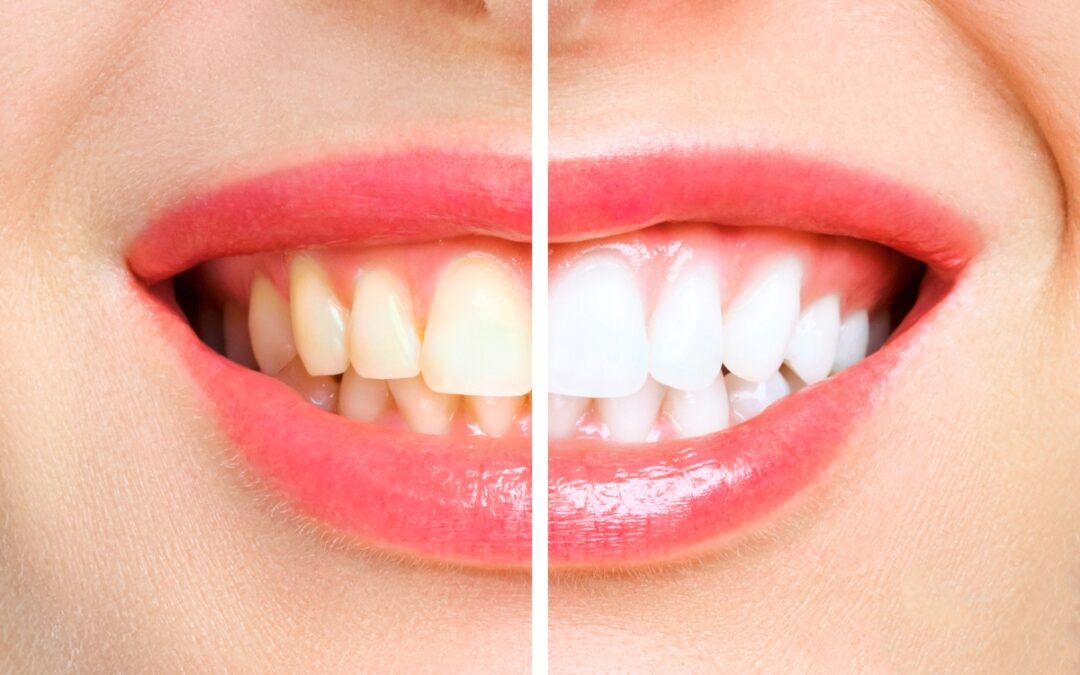
If you’ve ever wondered whether teeth whitening is actually safe, you’re not alone. It’s one of the most common questions we hear at North Scottsdale Dentistry. The short answer is yes — when it’s done right, teeth whitening is safe. But there are a few things worth knowing before you start.
What Does Teeth Whitening Actually Do?
Whitening products use peroxide-based agents to break down stains on your enamel. This process is called oxidation. It targets the discolored molecules inside your teeth without cutting or scraping the surface. Think of it as a deep clean at the molecular level.
Most over-the-counter products use 3% to 10% hydrogen peroxide. Professional teeth whitening treatments at a dental office can go up to 35% — which is why results are faster and more visible.
Is It Safe for Your Enamel?
This is where people get nervous. The truth is that whitening does not damage enamel when used as directed. Studies from the American Dental Association show no lasting harm to enamel structure from approved whitening agents.
Problems happen when people overuse products or use unregulated kits bought online. Overuse can thin the enamel over time and lead to long-term sensitivity. That’s why guidance from a dental professional matters.
Learn more from the American Dental Association on whitening safety
Who Should Be Careful?
Whitening isn’t for everyone. You should talk to your dentist first if you:
- Have crowns, veneers, or bonding on front teeth
- Are pregnant or breastfeeding
- Have untreated cavities or gum disease
- Already deal with tooth sensitivity
In Scottsdale, AZ, where sun exposure is high and dehydration is common, dry mouth can make sensitivity worse after whitening. Staying hydrated helps protect your teeth during and after treatment.
Professional vs. Store-Bought: A Safety Comparison
Professional whitening done at North Scottsdale Dentistry uses custom trays and monitored peroxide levels. This reduces the risk of gum irritation and uneven results. Store-bought strips are safe for most people but carry a higher risk of misuse.
If you have any dental concerns, always get a checkup before using any whitening product at home.
Conclusion
Teeth whitening is safe when used properly and under dental supervision. If you’re in Scottsdale or the surrounding area and want a brighter smile without the guesswork, schedule a consultation with North Scottsdale Dentistry. You can also contact a local dental office to find out which whitening option fits your dental health best.
Frequently Asked Questions
Q 1. Can teeth whitening damage my gums?
It can cause temporary irritation if the gel touches your gums. Professional treatment minimizes this risk with custom trays.
Q 2. How often can I safely whiten my teeth?
Most dentists recommend no more than once or twice per year for professional treatments.
Q 3. Is whitening safe for teens?
Dentists generally recommend waiting until age 16 when enamel is fully developed.
Q 4. Does whitening cause permanent sensitivity?
No. Any sensitivity from whitening is usually temporary and fades within a few days.
Q 5. Are whitening toothpastes safe to use daily?
Yes, but they only remove surface stains. They won’t change the natural shade of your teeth.