Undergoing dental implant surgery is a major step toward restoring your smile, and what you eat afterward plays a big role in how quickly and comfortably you heal. Patients often ask what to eat after dental implant surgery, how long to follow a soft-food diet, and which foods can help reduce discomfort and swelling. This guide breaks everything down clearly so you know exactly how to nourish your body during recovery.
Why Your Post-Implant Diet Matters
Your mouth needs time to heal around the implant. Since the surgical site is sensitive early on, the right foods help you avoid unnecessary pressure, irritation, or inflammation.
A good post-dental implant diet also:
-
Supports tissue repair
-
Reduces swelling and discomfort
-
Helps prevent infection
-
Keeps energy levels stable
-
Prevents damage to the implant while it stabilizes
Healing varies from person to person, but most people follow a soft-food diet for several days to a few weeks.
What to Eat Immediately After Dental Implant Surgery
During the first 24–48 hours, your focus should be on hydration and soft, no-chew foods. These options are gentle on the mouth and easy to consume:
-
Smoothies (avoid seeds and very cold drinks)
-
Applesauce
-
Yogurt
-
Broths and pureed soups
-
Mashed potatoes
-
Pudding
-
Protein shakes
-
Meal replacement drinks
These foods help you maintain nutrition without stressing the surgical area. Many people also ask what they can eat after dental implant surgery if they feel too tender to chew—liquid and pureed foods are usually best for this stage.
Tip: Avoid using straws. Suction can disrupt early healing.
Soft Foods to Eat in the First Week
Once tenderness lessens, you can add soft foods that require minimal chewing. These are great options when deciding what to eat after implant surgery throughout the first week:
-
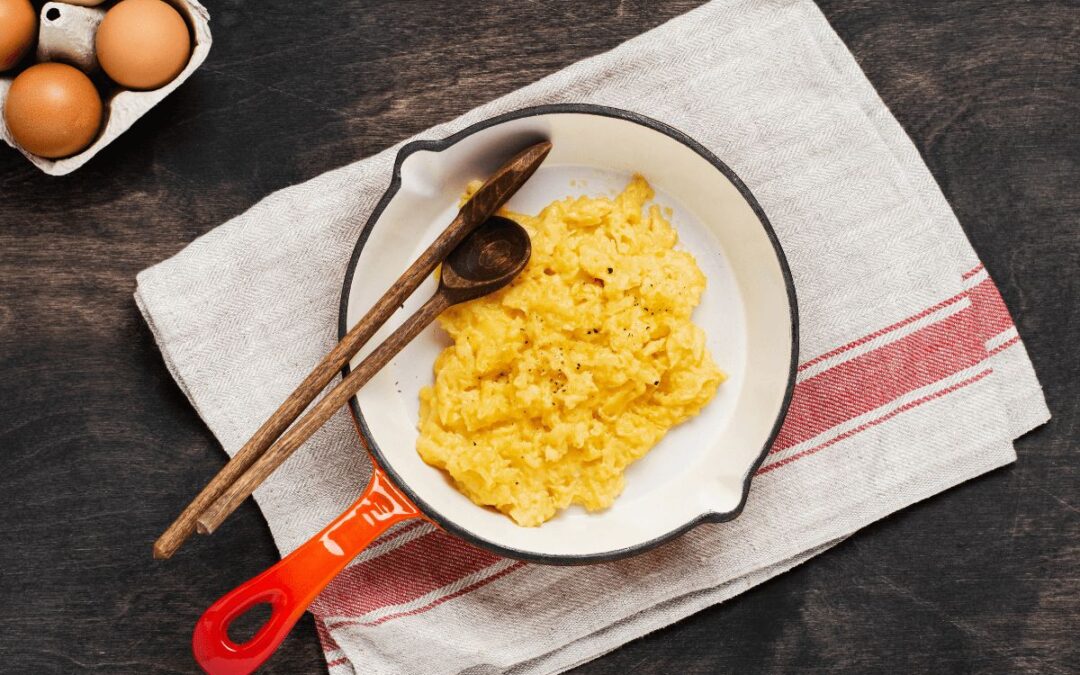
Scrambled eggs
-
Oatmeal
-
Soft pasta
-
Cottage cheese
-
Mashed avocado
-
Soft-cooked vegetables
-
Pancakes
-
Soft rice or risotto
-
Tuna or chicken salad (finely shredded)
Nutrition is important for healing, so choose foods rich in protein, vitamins, and minerals. These choices are ideal for your diet after dental implant surgery because they support tissue repair without irritating the area.
Foods to Add as Healing Progresses
After a week or two, depending on how you feel and your dentist’s guidance, you can gradually increase texture. People often look for safe ideas for eating after dental implants as they transition back to normal meals.
Try adding:
-
Ground meats or turkey
-
Soft fish such as salmon or tilapia
-
Steamed vegetables
-
Soft tortillas
-
Quinoa
-
Soft casseroles
-
Beans, lentils, and chili (not spicy)
Continue avoiding hard, sticky, crunchy, or very chewy foods until your Scottsdale dentist confirms you’re ready. Healing takes time, and protecting the implant is essential for long-term success.
Foods to Avoid After Tooth Implant Placement
Knowing what not to eat is just as important as knowing what to eat after tooth implant surgery. Avoid anything that could irritate the gums, get lodged near the implant, or require aggressive chewing.
Stay away from:
-
Chips, nuts, seeds, and popcorn
-
Hard bread, crusty rolls, bagels
-
Sticky candy or gum
-
Raw carrots, apples, or tough vegetables
-
Steak and chewy meats
-
Hot and spicy foods during early healing
-
Carbonated beverages and alcohol (especially within the first few days)
These foods can interfere with healing, irritate the gums, or cause pressure on the implant.
Tips to Speed Up Healing and Support Your Diet
A smart diet after dental implant treatment goes hand in hand with good habits. Here are helpful tips to ensure smoother recovery:
-
Drink plenty of water
-
Maintain good oral hygiene around the surgical site
-
Eat room-temperature or slightly warm foods
-
Avoid smoking
-
Follow all post-op directions from your dentist
-
Chew on the opposite side if needed
-
Choose nutrient-rich foods for optimal healing
Patients receiving dental implants often recover smoothly when combining smart eating habits with professional guidance.
Frequently Asked Questions
1. What is the easiest food to eat after dental implant surgery?
Smoothies, yogurt, broths, mashed potatoes, and applesauce are the easiest and safest foods within the first 48 hours.
2. How long should I follow a soft-food diet after implant surgery?
Most patients eat soft foods for 7–14 days. Your dentist may recommend a longer soft-food phase depending on how many implants were placed and how your mouth heals.
3. What to eat after a tooth implant if I want more protein?
Try scrambled eggs, Greek yogurt, protein shakes, cottage cheese, finely shredded chicken, ground turkey, or soft fish like salmon.
4. Can I eat rice after dental implant surgery?
Yes—soft rice, risotto, or well-cooked grains are good options in the first week. Avoid crunchy fried rice or hard grains.
5. What drinks should I avoid?
Avoid alcohol, carbonated beverages, extremely hot drinks, and anything consumed through a straw during early healing.
6. Can I eat bread after dental implant placement?
Soft bread is okay after a few days, but avoid tough or crusty bread that can put pressure on the implant.
7. Are soups a good option for the post dental implant diet?
Yes. Pureed soups and broths provide hydration and nutrients without requiring chewing.
8. What foods help reduce inflammation after implant surgery?
Soft foods rich in vitamins and minerals—such as mashed avocado, smoothies with berries, spinach, and yogurt—can help naturally reduce inflammation.
9. When can I return to my normal diet?
Usually within 3–4 weeks, but only after your dentist confirms it’s safe.