
Tooth loss can change how you speak, eat, and feel about yourself. Whether caused by injury, decay, or age-related changes, missing teeth can be a deeply personal experience. Fortunately, modern tooth replacement options like dental implants are helping people restore both function and confidence.
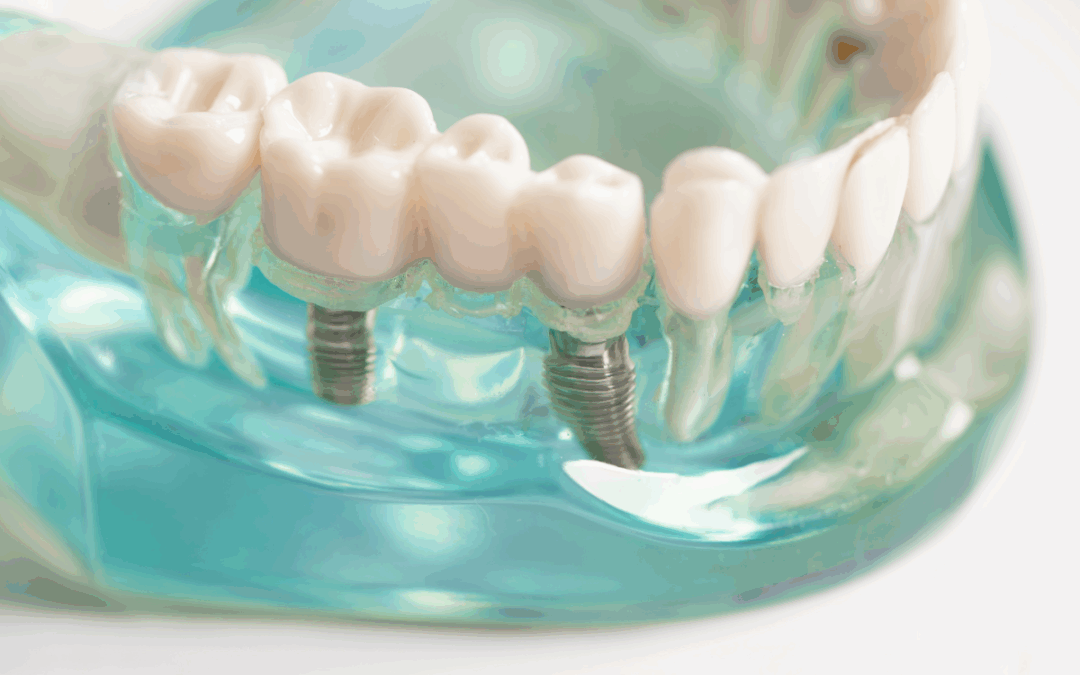
Dental implants offer one of the most durable and natural-looking solutions available today. These small titanium posts are placed into the jawbone, acting as a sturdy foundation for implant-supported crowns, bridges, or dentures. Once healed, they perform like your original teeth, allowing you to bite, chew, and smile without worry.
But how long do dental implants last? Let’s break down the expected dental implant lifespan, what affects it, and how to extend it.
What Is the Average Lifespan of Dental Implants?
A common question patients ask is: “Will my implants last forever?” While no dental restoration lasts forever, dental implants come close with proper care.
The life expectancy of dental implants typically ranges between 20 to 30 years—or longer. Clinical studies report success rates of over 90% after 15 years. In many cases, implants have functioned well for over three decades. However, how long tooth implants last depends on several factors like oral hygiene, health conditions, and lifestyle.
What Affects the Lifespan of Dental Implants?
Here are the most important elements that influence how long dental implants usually last:
- Skill of the Implant Dentist
Implant placement is a delicate procedure. A qualified implant dentist ensures accurate placement using digital diagnostics like 3D imaging. This minimizes risks and maximizes success. The experience and precision of your provider play a major role in the implant’s longevity.
- Jawbone Density and Gum Health
A strong jawbone and healthy gums are essential for implant success. If bone loss has occurred due to gum disease or missing teeth, bone grafting may be necessary. Successful osseointegration—the process of bone fusing with the implant—requires a stable foundation.
- General Health Conditions
Chronic illnesses such as diabetes, autoimmune diseases, or undergoing treatments like chemotherapy can impact healing. Your body’s ability to heal and fight infection plays a critical role in how long teeth implants last.
- Daily Oral Hygiene
Dental implants may be artificial, but they’re surrounded by living tissue. Daily brushing and flossing are vital to prevent peri-implantitis, an inflammatory condition that can lead to bone loss and implant failure. Regular cleanings also help spot early issues.
- Smoking and Lifestyle Habits
Smoking restricts blood flow and can significantly reduce implant survival rates. Habits like biting on hard objects or skipping dental checkups can also compromise their durability.
- Nighttime Grinding (Bruxism)
Chronic grinding can apply excess pressure on both natural and implanted teeth, leading to fractures or loosening. Wearing a night guard can help reduce this risk and preserve your investment.
Why Routine Checkups Are Crucial for Implant Longevity
Even if everything feels fine, your implants still need professional attention. Regular checkups allow your dentist to assess gum health, monitor bone levels with X-rays, and catch early signs of complications.
If you notice any discomfort, swelling, or loosening of your implant, don’t delay care. Timely intervention prevents costly and invasive procedures later.
How to Naturally Extend the Life of Your Dental Implants
Wondering how long dental implants usually last? While placement quality is essential, your habits matter just as much. Here’s what you can do:
- Use a soft-bristled toothbrush twice daily
- Floss around implants to reduce plaque buildup
- Avoid chewing on ice, pens, or hard candies
- Quit smoking and limit alcohol
- Wear a night guard if you grind your teeth
- See your dentist every 6 months
Do Dental Implants Last Forever?
Technically, no—but with proper care, they can last a lifetime. Adults who receive dental implants in their 40s or later often never need a replacement. The key lies in consistent hygiene, regular monitoring, and a healthy lifestyle.
Some types, like zirconia implants, are also gaining popularity for their durability. Curious about how long zirconia implants last? They can match or even exceed the lifespan of traditional titanium options.
FAQs About the Lifespan of Dental Implants
How long do dental implants really last on average?
On average, they last 20–30 years, and in many cases, even longer with proper care.
Can dental implants fail?
Yes, especially due to poor oral hygiene, smoking, or medical conditions. But with maintenance, the risk is very low.
Is there a difference in lifespan between titanium and zirconia implants?
Zirconia implants can offer comparable longevity and are often chosen for aesthetic or allergy-related reasons.
Are dental implants a permanent solution?
While not technically permanent, they are considered a long-term, often lifetime solution when cared for correctly.
Can an implant be replaced if it fails?
Yes, in most cases. Bone grafting or other prep work might be needed before placing a new implant.
A Smart Investment in Long-Term Oral Health
If you’re seeking a long-term solution for missing teeth, dental implants are worth considering. Backed by decades of research and evolving techniques, they are a proven choice for durability and natural function. Partnering with our implant dentist in Scottsdale ensures precision and peace of mind from the start.
Remember: how long dental implants last ultimately depends on how well you care for them. The effort you put in today protects your smile for years to come!