
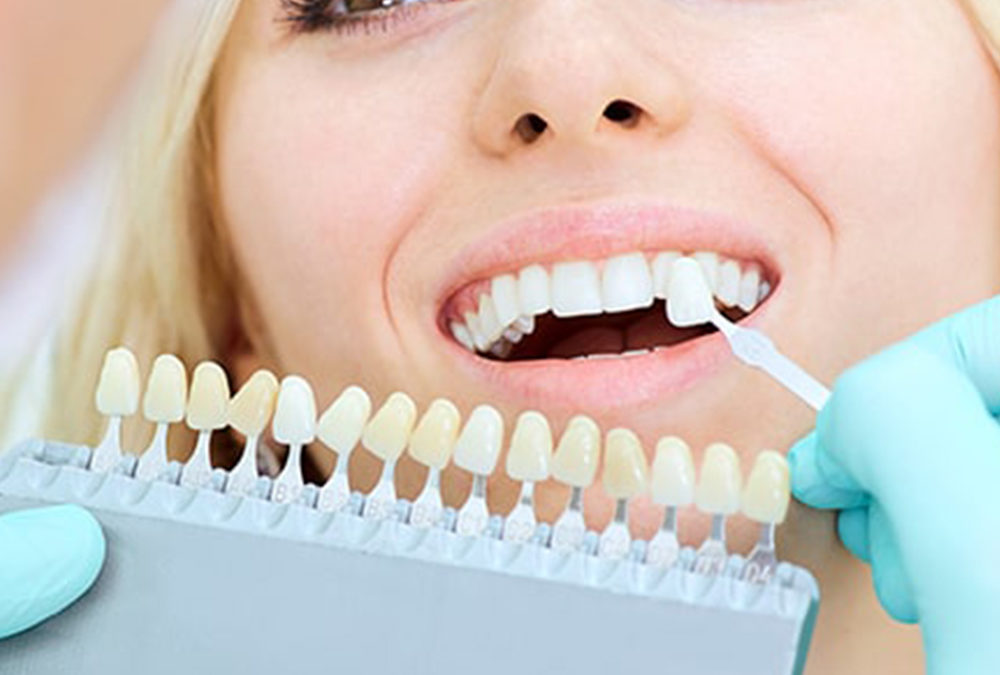
Have you ever looked in the mirror and wished your teeth were a little brighter, more evenly shaped, or free from small chips and gaps? You are not alone. Many people want to improve their smiles but are unsure which cosmetic dental treatment will give them the results they want.
Dental veneers are one option worth exploring. These thin, custom-made coverings are designed to improve the appearance of the front surfaces of teeth, helping address concerns such as discoloration, uneven shapes, minor gaps, and certain chips.
But are veneers worth the investment? The answer depends on your dental health, cosmetic goals, budget, and expectations. Understanding the benefits and limitations can help you decide whether a smile makeover with veneers is right for you.
At North Scottsdale Dentistry, located at 21809 N Scottsdale Rd Ste C105, Scottsdale, AZ 85255, patients can explore cosmetic dental options based on their individual needs and the appearance they hope to achieve.
What Is a Smile Makeover with Veneers?
A smile makeover with dental veneers involves using custom-made shells to improve the visible appearance of selected teeth. Depending on your goals, veneers may be placed on one tooth or several teeth to create a more balanced, harmonious smile.
Veneers are commonly made from porcelain or composite resin. Porcelain veneers are known for their natural-looking appearance and resistance to staining, while composite veneers may offer a different balance of cost, treatment time, and repairability.
Your dentist will consider factors such as tooth color, shape, size, alignment, and how your teeth meet when you bite. The aim is to create a result that complements your facial features rather than making every tooth look unnaturally identical.
Ask yourself: Is your main concern discoloration, a chipped tooth, uneven edges, or the overall appearance of your smile? Identifying what you want to change is a useful first step.
What Problems Can Dental Veneers Address?
One reason veneers appeal to patients is their ability to improve several cosmetic concerns at once. Instead of focusing on just one feature, a carefully planned treatment can help create a more consistent appearance across the visible teeth.
Veneers may be suitable for:
- Stained or discolored teeth: Particularly certain stains that do not respond well to whitening.
- Small chips and worn edges: Veneers can restore a more even-looking tooth shape.
- Minor gaps: Selected spaces between teeth may be reduced or closed visually.
- Uneven tooth shapes: Veneers can improve the proportions and contours of certain teeth.
- Minor cosmetic irregularities: Some teeth that look slightly different in size or shape may be improved with veneers.
However, veneers do not correct every dental problem. Significant misalignment, active gum disease, untreated decay, or certain bite issues may require other treatment before cosmetic work is considered.
The Benefits of Choosing Veneers
One of the biggest advantages of veneers is their ability to produce a noticeable cosmetic change. Because they cover the front surfaces of teeth, they can improve color and shape within a coordinated treatment plan.
Porcelain veneers can also reflect light in a way that resembles natural enamel. With careful planning, the finished smile can look bright without appearing artificial.
Another benefit is that porcelain is relatively resistant to staining compared with natural teeth. Nevertheless, veneers are not completely maintenance-free, and the natural teeth around them can still discolor.
For some patients, the appeal goes beyond appearance. If you have felt uncomfortable showing your teeth in photographs or smiling openly, addressing the features that bother you may help you feel more at ease.
Of course, veneers cannot guarantee greater confidence. Their value comes from whether the treatment addresses concerns that matter to you.
What Are the Disadvantages of Veneers?
Before deciding whether veneers are worth it, it is important to understand their limitations.
Veneers can require permanent changes to natural teeth. Traditional porcelain veneers often involve removing a small amount of enamel so the coverings fit properly. Once enamel has been removed, the tooth may need ongoing restoration. Some patients may qualify for more conservative or minimal-preparation options, but these are not suitable for everyone.
Veneers can also chip, crack, or become detached. Although porcelain resists staining, it cannot be whitened with ordinary teeth-whitening treatments. If you want to change the shade later, replacing the veneers may be necessary.
Cost is another consideration. Treatment expenses vary according to the material, number of teeth involved, and complexity of the case. Cosmetic procedures may not be covered by dental insurance, so it is sensible to confirm your expected costs beforehand.
Finally, veneers require good oral hygiene. You still need to brush, floss, and attend regular dental checkups to protect the underlying teeth and gums.
What Happens During a Veneer Treatment?
The process generally begins with a consultation, during which your dentist evaluates your teeth, gums, bite, and cosmetic goals. This is an opportunity to discuss the appearance you want and understand what veneers can realistically achieve.
If veneers are appropriate, your dentist may prepare the teeth by removing a small amount of enamel. Impressions or digital scans are then used to create restorations that fit your teeth. Temporary veneers may be provided while permanent ones are made, depending on the treatment plan.
At a later appointment, the dentist checks the fit, shape, and color before bonding the veneers to the teeth.
The exact timeline varies. More complex cases may require additional planning or appointments, particularly if other dental concerns need attention first.
How Can You Make Veneers Last Longer?
Veneers can last many years, but their longevity depends on the material, the quality of treatment, your bite, and how well you care for your teeth.
Brush twice daily with a soft-bristled toothbrush and fluoride toothpaste, and clean between your teeth every day. Avoid biting hard objects such as ice, pens, or fingernails, and do not use your teeth to open packages.
If you grind or clench your teeth, ask your dentist whether a protective night guard would be appropriate. Repeated excessive pressure can damage veneers and natural teeth.
Regular dental visits also allow your dentist to monitor the veneers, gums, and underlying teeth for potential problems.
So, Is a Smile Makeover with Veneers Worth It?
For someone who wants to address persistent cosmetic concerns and understands the long-term commitment, veneers may be a worthwhile option. They can create substantial changes in tooth color, shape, and overall smile appearance.
However, veneers are not automatically the best choice for everyone. Professional whitening may be sufficient for discoloration alone, while bonding may be a more conservative option for a small chip. Orthodontic treatment may be better suited to certain alignment concerns.
The best decision is one that balances your goals with the health of your natural teeth.
Explore Your Cosmetic Dentistry Options in Scottsdale
If you are considering a smile makeover, start with a conversation about what you would like to change and what matters most to you. A personalized assessment can help you understand whether veneers are suitable and how they compare with other cosmetic treatments.
At North Scottsdale Dentistry, located at 21809 N Scottsdale Rd Ste C105, Scottsdale, AZ 85255, you can discuss your smile goals and explore treatment options tailored to your needs.
Ready to take the next step? Schedule a consultation with North Scottsdale Dentistry to learn whether dental veneers could help you achieve the natural-looking smile you have in mind.
FAQs About Smile Makeovers with Veneers
Q 1. Are dental veneers worth it for a smile makeover?
Dental veneers may be worth considering if you want to improve tooth discoloration, chips, minor gaps, or uneven tooth shapes. Their value depends on your cosmetic goals, budget, dental health, and willingness to maintain them over time.
Q 2. How long do dental veneers last?
Porcelain veneers can often last 10–15 years or longer with proper care, although their lifespan varies. Regular dental checkups, good oral hygiene, and avoiding habits such as chewing ice can help protect your veneers.
Q 3. Do dental veneers look natural?
Yes. Custom-made veneers can be designed to complement your natural tooth color, shape, and facial features. A personalized treatment plan helps create a balanced smile without making the teeth look overly uniform.
Q 4. Are dental veneers better than teeth whitening?
Veneers and teeth whitening address different concerns. Whitening can improve discoloration in natural teeth, while veneers can change tooth color, shape, and appearance. Your dentist can help determine which option best suits your needs.