
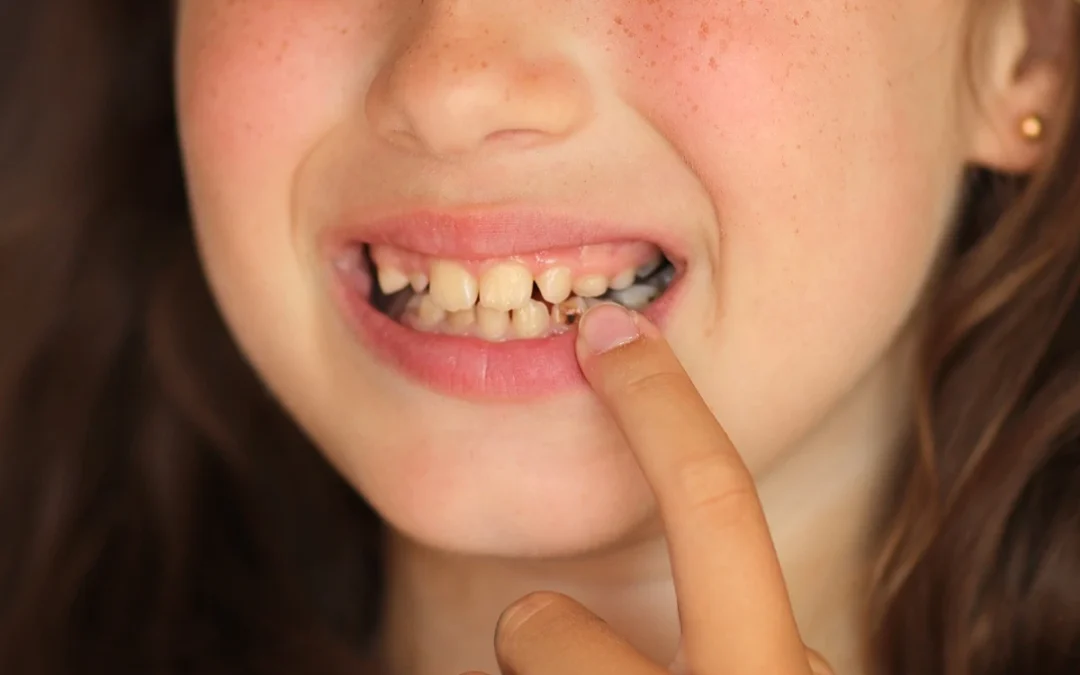
Tooth decay is one of the most common oral health conditions, yet it is also one of the most preventable. A small cavity may seem harmless at first, especially if it is not causing pain. However, decay does not stop on its own. Once bacteria break through the protective enamel, they continue to damage the tooth unless the affected area is restored. What begins as a minor issue can eventually lead to infection, structural damage, or even tooth loss.
At North Scottsdale Dentistry, we encourage patients to address cavities as early as possible before they become more difficult to treat. Receiving dental fillings in Scottsdale when decay is first detected helps preserve healthy tooth structure, restore normal function, and prevent the need for more extensive dental treatment later. Understanding how cavities progress can help you make informed decisions that protect your smile for years to come.
Why Early Cavity Treatment Matters
A cavity forms when harmful bacteria in dental plaque feed on sugars and starches left behind after eating. These bacteria produce acids that gradually dissolve tooth enamel. Once the enamel is damaged, the decay continues moving deeper into the tooth.
Unlike minor cuts or scrapes on the skin, a cavity cannot repair itself. Without professional intervention, the affected area becomes larger over time.
Treating decay early offers several advantages:
- Preserves more natural tooth structure
- Prevents bacteria from spreading deeper into the tooth
- Restores comfortable chewing
- Reduces the likelihood of infection
- Helps avoid more extensive restorative procedures
Early intervention is one of the most effective ways to maintain long-term oral health.
How Cavities Progress Over Time
Understanding how decay progresses explains why delaying care often leads to more serious dental concerns.
Stage One: Enamel Begins to Break Down
The earliest stage affects only the outer enamel. Patients often notice no symptoms during this phase, although white spots or slight discoloration may appear.
At this point, treatment is generally simple because the damage remains limited.
Stage Two: Decay Reaches the Dentin
Once bacteria penetrate the enamel, they reach the dentin, which is softer than enamel and allows decay to spread more rapidly.
Common symptoms include:
- Tooth sensitivity
- Mild discomfort while eating sweets
- Sensitivity to cold beverages
- Small visible holes or dark spots
This is often the ideal stage for dental fillings, allowing the damaged area to be removed while preserving the majority of the natural tooth.
Stage Three: The Inner Tooth Becomes Inflamed
If decay continues untreated, bacteria eventually reach the pulp, where the tooth’s nerves and blood vessels are located.
Patients may experience:
- Persistent tooth pain
- Pain when biting
- Increased sensitivity to hot foods
- Swelling around the affected tooth
At this stage, more advanced dental treatment may be necessary to eliminate infection and preserve the tooth whenever possible.
Stage Four: Extensive Damage and Tooth Loss
When decay remains untreated for an extended period, the tooth may become structurally weak or severely infected.
Possible complications include:
- Dental abscess
- Cracked or fractured teeth
- Infection affecting surrounding tissues
- Tooth extraction
- Bone deterioration around the affected tooth
These complications often require significantly more comprehensive care than treating the cavity in its earliest stage.
Bigger Problems That Can Develop from Untreated Cavities
Many people assume cavities only affect a single tooth. In reality, the effects can extend far beyond the original area of decay.
Tooth Infection
As bacteria reach the inner pulp, infection develops inside the tooth. Without prompt treatment, this infection may spread into nearby tissues and become increasingly painful.
Dental Abscess
An abscess is a pocket of infection that forms around the root of a tooth. It may cause facial swelling, fever, severe discomfort, and difficulty chewing. Left untreated, an abscess can become a serious health concern.
Damage to Neighboring Teeth
Bacteria responsible for tooth decay do not remain isolated. When oral hygiene becomes more difficult around a damaged tooth, nearby teeth may also become vulnerable to decay.
Gum Inflammation
Advanced decay often irritates the surrounding gums, leading to redness, swelling, and tenderness that can affect overall oral health.
Reduced Chewing Function
Pain and structural damage may cause patients to avoid chewing on one side of the mouth, affecting comfort and normal eating habits.
How Dental Fillings Help Protect Your Teeth
One of the most conservative and effective solutions for treating cavities is dental fillings. This restorative procedure removes decayed tooth material and seals the area with a durable, tooth-colored material that restores both strength and appearance.
Modern fillings offer several important benefits:
- Stop decay from spreading
- Strengthen weakened teeth
- Restore natural chewing ability
- Blend with surrounding teeth
- Preserve healthy tooth structure
- Reduce the need for more extensive procedures
At North Scottsdale Dentistry, Dr. Sibrava carefully evaluates each cavity and recommends the most appropriate treatment based on the extent of decay. Receiving dental fillings in Scottsdale before decay progresses significantly often allows patients to maintain more of their natural tooth while avoiding additional dental treatment in the future.
Warning Signs You Should Never Ignore
Many cavities develop without noticeable symptoms until significant damage has already occurred.
Schedule an evaluation if you notice:
- Tooth sensitivity that continues
- Sharp pain while chewing
- Dark spots on a tooth
- Visible holes in a tooth
- Persistent bad breath
- Swollen gums around one tooth
- Food frequently becoming trapped in the same area
Prompt dental care following these symptoms helps reduce the likelihood of developing untreated cavities that require more extensive procedures.
Everyday Habits That Help Prevent Cavities
Although cavities are common, many can be prevented with consistent oral hygiene and routine professional visits.
Healthy habits include:
- Brush twice each day using fluoride toothpaste.
- Floss thoroughly every day.
- Limit sugary snacks and acidic beverages.
- Drink water throughout the day.
- Schedule routine preventive examinations.
- Address tooth sensitivity early instead of waiting for discomfort to worsen.
Preventive dental care plays an important role in reducing the risk of future decay and preserving natural teeth.
Why Acting Early Makes All the Difference
Many patients delay treatment because their cavity is not painful. Unfortunately, pain often develops only after decay has reached deeper layers of the tooth.
Addressing untreated cavities early helps:
- Preserve healthy enamel
- Reduce the likelihood of infection
- Prevent structural damage
- Maintain comfortable chewing
- Protect surrounding teeth
- Minimize future dental treatment
Early restorative care is almost always simpler than treating advanced decay.
Don’t Wait Until a Small Cavity Becomes a Bigger Problem
Every cavity starts small, but none remain small forever. The longer decay is allowed to progress, the greater the chance of infection, structural damage, and tooth loss. If you have noticed sensitivity, discomfort, or visible changes in your teeth, visit our dental office before the condition worsens. Prompt dental care today can help preserve your natural smile and prevent more complicated procedures tomorrow.
Final Thoughts
Protecting your smile begins by treating decay before it has a chance to spread. At North Scottsdale Dentistry, Dr. Sibrava provides comprehensive evaluations and conservative solutions designed to restore damaged teeth while preserving as much healthy tooth structure as possible. Whether you live in Scottsdale, Paradise Valley, Fountain Hills, Carefree, or nearby communities, our team is committed to helping you achieve lasting oral health. If you’re looking for dental fillings in Scottsdale, don’t wait until discomfort becomes more severe. Book an appointment today and receive the dental care you need to restore your smile with confidence.
Frequently Asked Questions
- Can a small cavity become a serious dental problem?
Yes. A cavity continues to grow until it is treated. As decay spreads deeper into the tooth, it can lead to infection, structural damage, or tooth loss. Early treatment with a filling helps stop the progression before more extensive procedures become necessary.
- How do I know if I need a dental filling?
Common signs include tooth sensitivity, pain while chewing, visible dark spots, or a small hole in the tooth. A professional examination can determine whether a filling is the right solution and help prevent further damage.
- What happens if I delay cavity treatment?
Delaying treatment allows bacteria to continue damaging the tooth. Over time, this may lead to severe pain, infection, root canal therapy, or extraction. Treating the cavity early preserves more of the natural tooth.
- Are tooth-colored fillings durable?
Yes. Modern composite fillings are designed to restore strength while matching the appearance of natural teeth. With proper oral hygiene and regular checkups, they can provide reliable, long-lasting protection.
- Can a filling prevent future damage?
A filling removes the decayed portion of the tooth and seals the area, preventing bacteria from spreading further. Combined with consistent oral hygiene and routine visits, fillings help maintain long-term oral health.