Getting dental implants is a life-changing step toward a healthier, more confident smile. But once the procedure is done, one of the first questions patients ask is: What can I eat after having dental implants?
The short answer? Your food choices matter—a lot. The right diet helps protect your new implants, prevents irritation, and supports faster healing. Whether you’ve had one tooth replaced or a full set, following the right post-surgery diet is key to long-term success.
At North Scottsdale Dentistry, we guide our patients through every stage of their dental implant journey, including the all-important recovery diet. Here’s your easy-to-follow guide to eating well after implant surgery.
Why Your Diet Matters After Implant Surgery
After your dental implant surgery, your gums and jawbone need time to heal and fuse around the implant post. The first few weeks are crucial—chewing tough or crunchy foods too soon can disrupt healing, cause discomfort, and even damage the implant site.
A soft, nutrient-rich diet not only protects your implants but also gives your body the vitamins and minerals it needs to repair tissues and promote bone integration. Think of it as “fueling your healing.”
The Best Foods to Eat Right After Dental Implants
In the first few days, stick to foods that are soft, smooth, and easy to chew. These will be gentle on your gums and reduce strain on your implants.
Top soft food choices include:
-
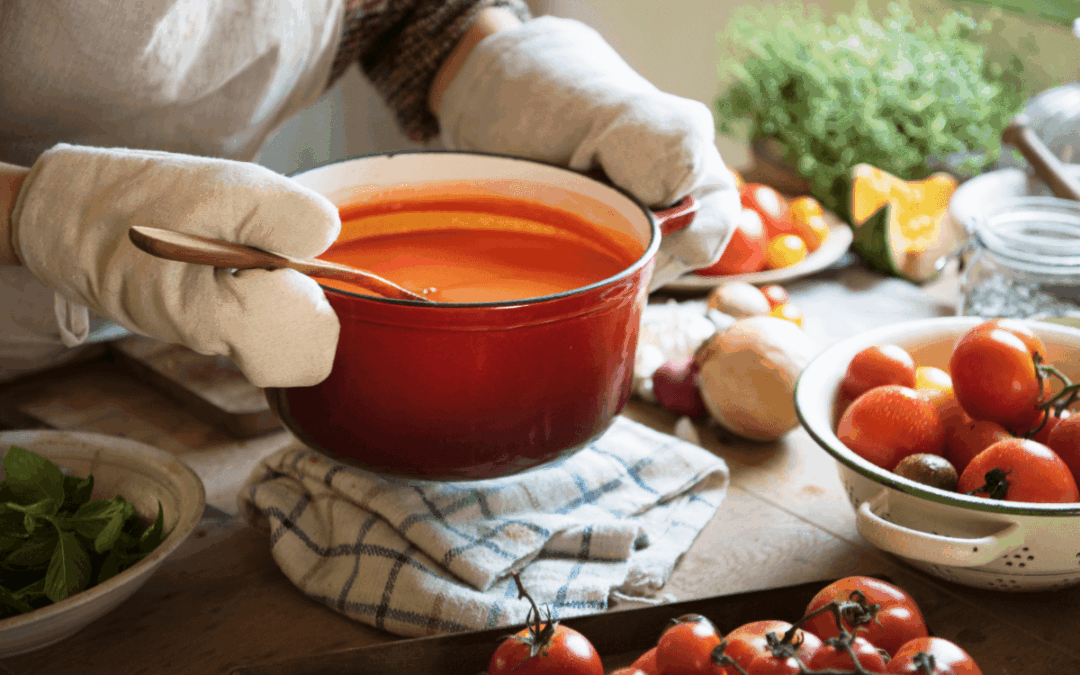
Smooth soups – Creamy tomato, butternut squash, or pureed chicken soups are perfect.
-
Yogurt – Packed with probiotics for gut and immune health.
-
Applesauce – Naturally sweet and gentle on healing gums.
-
Scrambled eggs – A protein-rich breakfast option.
-
Mashed potatoes or sweet potatoes – Comforting and filling.
-
Smoothies – Blend with bananas, berries, and protein powder for a nutrient boost.
Tip: If you’re wondering what soups are good after dental implant surgery, avoid chunky textures—opt for blended, warm (not hot) soups.
When You Can Return to Solid Foods
Patients often ask, How long after a tooth implant can you eat solid food? The timeline can vary depending on the complexity of your surgery, but in most cases:
-
First 1–2 weeks: Stick to soft, non-chewy foods.
-
Weeks 3–4: Introduce slightly firmer foods like soft pasta, ripe bananas, or flaky baked fish.
-
After 6–8 weeks: You may gradually return to your normal diet—only after your dentist confirms proper healing.
During this transition, chew slowly, take smaller bites, and avoid biting directly onto the implant site until fully healed.
Foods to Avoid With Dental Implants
Even after the healing period, certain foods can still put unnecessary stress on your implants or risk damaging them.
Avoid:
-
Hard foods: Ice, hard candies, nuts.
-
Sticky foods: Caramels, taffy, gummy candy.
-
Crunchy foods: Popcorn, tortilla chips.
-
Overly tough meats: Steak, jerky.
If you’re asking, Can I eat bread after a dental implant?—the answer is yes, but not right away. Soft, fresh bread is fine after the initial healing stage, but crusty artisan bread should be avoided early on.
Protein-Packed Options for Faster Recovery
Protein plays a big role in tissue healing. If you’re worried about missing your usual meals, here are protein-rich yet soft foods to try:
-
Cottage cheese with soft fruits
-
Pureed lentil or bean soups
-
Poached salmon or tilapia
-
Soft tofu dishes
-
Greek yogurt with honey
For those wondering, Can I eat chicken noodle soup after dental surgery?—yes, as long as the chicken is shredded finely and the vegetables are soft enough to mash with a fork.
Hydration and Healing Go Hand-in-Hand
Don’t forget to drink plenty of water throughout your recovery. Avoid using straws in the first few days as the suction can disturb the surgical site. Herbal teas, diluted fruit juices, and nutrient-rich broths are also great choices.
FAQs About Eating After Dental Implants
Q: What is the best food to eat after dental implant surgery?
A: Smooth soups, yogurt, applesauce, scrambled eggs, and smoothies are all excellent choices for the first few days.
Q: How long after a tooth implant can you eat solid food?
A: Usually after 6–8 weeks, but always follow your dentist’s specific instructions.
Q: What foods cannot be eaten with dental implants?
A: Hard, crunchy, sticky, and overly chewy foods should be avoided, especially during early healing.
Q: Can I eat bread after a dental implant?
A: Soft bread is fine after the initial healing period. Avoid hard or crusty breads until your dentist gives the go-ahead.
Q: Can I eat chicken noodle soup after dental surgery?
A: Yes—just make sure the chicken and vegetables are very soft and cut into small pieces.
Q: What soups are good after dental implant surgery?
A: Creamy vegetable soups, blended chicken soups, and pureed bean soups are great options.
Smile-Friendly Eating for a Faster Recovery
Choosing the right foods after dental implant surgery is one of the easiest yet most important ways to ensure a smooth healing process. With patience, proper nutrition, and guidance from your dental team, you’ll be back to enjoying your favorite meals—this time with a confident, implant-supported smile.
At our dental office, we’re here to support you every step of the way—from your first consultation to your first bite of solid food after healing. If you’re considering dental implants in Scottsdale, our expert team can help you achieve a smile that’s both functional and beautiful.