
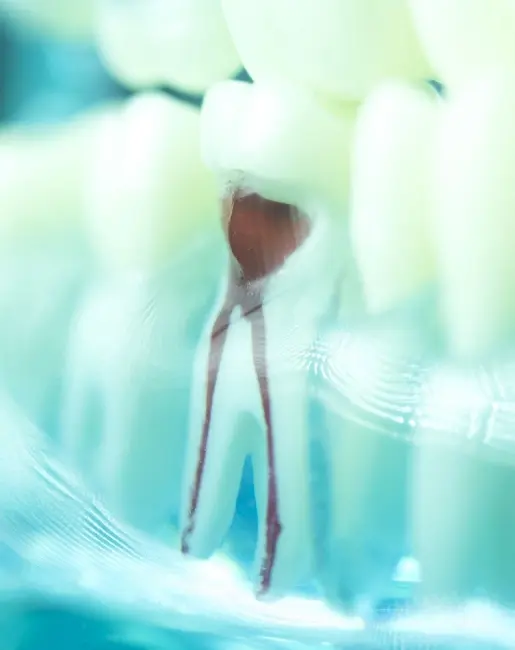
A persistent toothache can be difficult to ignore. Sometimes it begins as mild sensitivity when you drink something cold. Other times, the pain becomes intense enough to interfere with eating, sleeping, or concentrating. One possible reason is an infection inside the tooth, which may eventually require root canal treatment.
A root canal infection develops when bacteria reach the pulp, the soft tissue in the center of a tooth that contains nerves and blood vessels. Once the pulp becomes infected or severely inflamed, it cannot always recover on its own. Understanding why this happens can help you recognize dental problems earlier and seek care before the infection progresses.
At North Scottsdale Dentistry, Dr. Laura Sibrava, Dr. JoAnne Curry, Dr. Christopher Rhoades, and Dr. Erin Schwoegl help patients understand the source of dental discomfort and determine an appropriate treatment plan. For patients who need root canal therapy in Scottsdale, the goal is to address the infection while preserving the natural tooth whenever possible.
What Is a Root Canal Infection?
This infection occurs when bacteria enter the pulp chamber inside a tooth. The pulp is protected by layers of enamel and dentin. When those protective layers become damaged, bacteria can gain access to the inner tissue.
The resulting inflammation may cause pain and sensitivity. As the infection advances, the pulp tissue may die, allowing bacteria to continue spreading through the root canal system.
An untreated infection may eventually reach the tissues surrounding the root tip. This can lead to an abscess, swelling, bone changes, or other complications.
The Most Common Causes of This Infection
The most common causes include:
Deep Tooth Decay
Untreated tooth decay is one of the primary reasons infection reaches the dental pulp.
A cavity begins when bacteria in dental plaque produce acids that damage tooth enamel. At first, the decay affects the outer portion of the tooth. Without treatment, it can move through the enamel and into the softer dentin underneath.
Eventually, bacteria may reach the pulp chamber.
At this stage, a simple filling may no longer be enough because the infection involves tissue inside the tooth. Root canal treatment may be needed to remove the infected tissue and preserve the remaining tooth structure.
How Can You Reduce the Risk?
Regular brushing, daily flossing, limiting frequent sugary snacks and drinks, and keeping routine dental visits can help detect decay before it reaches the pulp.
Cracked or Fractured Teeth
A tooth does not need a large cavity for bacteria to reach its inner tissues. A crack can also create an entry point.
Cracks may develop because of:
- Biting hard foods or objects
- Teeth grinding or clenching
- Large existing restorations
- Age-related tooth wear
- Sudden pressure or trauma
Some cracks are easy to see, while others are extremely small. A crack can extend into deeper portions of the tooth even when the outside appears relatively normal.
Once bacteria travel through that opening, inflammation or infection can develop within the pulp.
Trauma or Injury to a Tooth
A fall, sports injury, automobile accident, or direct blow to the mouth can damage a tooth’s pulp.
In some cases, the tooth visibly chips or breaks. In others, there may be little external evidence of damage. The force of the injury can disrupt blood vessels that supply the pulp, causing the tissue to become inflamed or die over time.
Symptoms may appear immediately or develop months or even years after the original injury.
That is why a tooth that has suffered significant trauma should be evaluated even when it does not hurt right away.
Repeated Dental Procedures on the Same Tooth
Dental procedures are intended to repair and protect teeth. However, a tooth that has undergone several treatments over time may develop pulp irritation.
For example, a tooth may have had multiple fillings or restorations replaced because of recurrent decay, wear, or structural changes.
Each procedure can place some stress on the pulp. In certain circumstances, repeated treatment combined with existing tooth damage may cause persistent inflammation that the pulp cannot recover from.
This does not mean dental work itself routinely causes infections. Rather, teeth requiring repeated procedures often already have substantial structural damage or a history of disease.
Damaged, Loose, or Leaking Dental Restorations
Fillings and crowns protect vulnerable tooth structure, but restorations can wear down or become damaged over time.
If a filling cracks, loosens, or develops a gap around its edges, bacteria may enter underneath it. Decay can then develop beneath the restoration without being immediately visible.
Similar problems may occur around a damaged crown.
Routine dental examinations are important because your dentist can look for changes around older restorations before bacteria reach deeper tooth structures.
Patients experiencing persistent discomfort around a restored tooth should have it evaluated rather than waiting for the symptoms to disappear.
Severe Tooth Wear
Years of grinding, clenching, aggressive brushing, or certain bite patterns can gradually remove protective tooth structure.
Severe wear may expose dentin and, in advanced cases, bring the pulp closer to the oral environment. The tooth may become increasingly sensitive or vulnerable to bacterial invasion.
Patients who grind or clench their teeth may also develop cracks, further increasing the possibility of pulp damage.
Managing the underlying cause of excessive wear is therefore important for protecting both tooth structure and pulp health.
Infection in a Previously Treated Tooth
This treatment has a strong record of preserving natural teeth, but no dental procedure can guarantee that a tooth will never develop another problem.
Occasionally, bacteria can remain in complex areas of the root canal system or enter the tooth again later.
Reinfection may occur because of:
- New tooth decay
- A cracked restoration
- A fractured tooth
- Delayed placement of a permanent restoration
- Complex or previously untreated canal anatomy
- Leakage around a crown or filling
When symptoms return, the tooth should be evaluated. Depending on the circumstances, additional endodontic treatment or another approach may be recommended.
What Are the Warning Signs of an Infected Tooth?
Symptoms vary depending on the tooth and the stage of infection. Some people develop significant pain, while others have surprisingly few symptoms.
Possible warning signs include:
- Severe or throbbing tooth pain
- Pain while biting or chewing
- Lingering sensitivity to hot or cold temperatures
- Swollen or tender gums
- A pimple-like bump on the gum
- Tooth discoloration
- Facial or jaw swelling
- A bad taste or drainage near the affected tooth
North Scottsdale Dentistry also identifies severe toothache, pressure-related pain, lingering temperature sensitivity, tooth discoloration, and gum swelling or tenderness as signs that may indicate the need for RCT.
Importantly, pain can sometimes decrease when the pulp tissue dies. Less pain does not necessarily mean the underlying infection has resolved.
Can the Infection Heal on Its Own?
An established bacterial infection inside a necrotic or irreversibly damaged pulp generally requires professional dental treatment.
Pain medication may temporarily reduce discomfort, but it does not clean bacteria and infected tissue from inside the system.
Likewise, antibiotics alone usually do not eliminate the source inside the tooth. They may be prescribed in selected situations when there are signs that infection is spreading beyond the tooth, but definitive dental treatment is still important.
When the tooth can be preserved, root canal therapy in Scottsdale may remove infected or damaged pulp tissue, clean the internal canal spaces, and seal the tooth to reduce the risk of further bacterial contamination.
What Happens During Root Canal Therapy?
Although this term often causes anxiety, modern treatment is designed to address the source of infection and help retain the natural tooth.
Treatment generally involves several key stages:
- Evaluation: The dentist examines the tooth and may take dental X-rays to assess the roots and surrounding structures.
- Anesthesia: Local anesthetic is used to numb the treatment area.
- Access: A small opening is created so the internal pulp chamber and canals can be reached.
- Cleaning: Infected or damaged pulp tissue is removed, and the canals are carefully cleaned and shaped.
- Sealing: The prepared canals are filled and sealed.
- Restoration: Depending on the tooth and the amount of remaining structure, a filling or crown may be recommended to restore strength and function.
Why Is Treating the Infection Promptly Important?
Dental infections do not reliably remain confined to one small area.
Without appropriate treatment, bacteria can move beyond the root and affect nearby tissues. An abscess may develop around the root tip. Infection can also contribute to swelling and loss of supporting bone.
Prompt treatment may also increase the opportunity to preserve the natural tooth.
From a clinical perspective, keeping a restorable natural tooth can help maintain normal chewing function and bite alignment. This is one reason our dentists encourage patients not to postpone an evaluation when persistent tooth pain or swelling develops.
How Can You Lower Your Risk of a Root Canal Infection?
Not every dental injury or infection can be prevented, but everyday preventive care can reduce several common risk factors.
Maintain Consistent Oral Hygiene
Brush twice daily with fluoride toothpaste and clean between your teeth every day. Removing plaque regularly lowers the risk of cavities that can progress toward the pulp.
Address Cavities Early
Small areas of decay are generally easier to manage than deep cavities. Routine dental examinations allow your dentist to identify problems before obvious symptoms appear.
Protect Your Teeth From Trauma
Wear an appropriate mouthguard during contact sports or activities with a risk of dental injury.
Avoid Chewing Extremely Hard Objects
Ice, hard candy, pens, and similar objects can place excessive force on teeth and restorations.
Manage Teeth Grinding
If you regularly grind or clench your teeth, discuss it with your dentist. Appropriate management may help limit tooth wear and cracking.
Have Damaged Restorations Checked
A loose filling or damaged crown should not be ignored. Early repair may help prevent bacteria from reaching deeper areas of the tooth.
When Should You See a Dentist?
Occasional brief sensitivity does not always indicate an infection. However, persistent or worsening symptoms deserve attention.
Schedule a dental evaluation if you have significant tooth pain, lingering temperature sensitivity, swelling, discomfort while chewing, tooth discoloration, or a recurring bump on the gums.
Seek urgent dental or medical attention when dental swelling becomes substantial, spreads toward the face or neck, or occurs with fever, difficulty swallowing, or difficulty breathing.
A dental examination is the only reliable way to determine whether your symptoms come from pulp infection, a cracked tooth, gum disease, bite problems, or another condition.
Protect Your Natural Tooth With Timely Dental Care
The infections usually begin when decay, cracks, trauma, or another form of tooth damage allows bacteria to reach the pulp. Recognizing the problem early can make a significant difference in protecting your tooth and preventing infection from progressing.
At North Scottsdale Dentistry, we focus on identifying the source of your symptoms and recommending treatment based on the condition of your tooth. When appropriate, root canal therapy in Scottsdale can remove infection, relieve discomfort, and help preserve your natural tooth.
If tooth pain, swelling, or persistent sensitivity is interfering with your day, do not wait for it to become more severe. Contact us to schedule an examination and learn whether this treatment may be appropriate for your smile.
Frequently Asked Questions
Q 1. What is the most common cause of a root canal infection?
Ans: Deep tooth decay is among the most common causes. As decay progresses through enamel and dentin, bacteria can eventually reach the pulp, causing inflammation or infection that may require root canal treatment to preserve the tooth.
Q 2. Can a tooth become infected without having a cavity?
Ans: Yes. Cracks, fractures, dental trauma, leaking restorations, and severe tooth wear can expose or damage the pulp without obvious decay. Bacteria may then enter the tooth and cause inflammation or infection requiring professional evaluation and treatment.
Q 3. How do I know if my tooth infection has reached the root?
Ans: Persistent pain, chewing discomfort, lingering temperature sensitivity, gum swelling, discoloration, or a pimple-like bump may indicate deeper infection. Dental examination and X-rays help determine whether the pulp and tissues around the tooth root are affected.
Q 4. Can antibiotics cure an infected root canal?
Ans: Antibiotics alone generally cannot remove infected or dead pulp tissue from inside a tooth. They may help manage certain spreading infections, but the underlying dental source usually requires root canal treatment, drainage, extraction, or another appropriate procedure.
5. Can an old filling cause a root canal infection?
Ans: An aging filling does not automatically cause infection. However, if it cracks, loosens, or develops leakage around its margins, bacteria can enter underneath, causing recurrent decay that may eventually progress toward the tooth’s pulp tissue.