
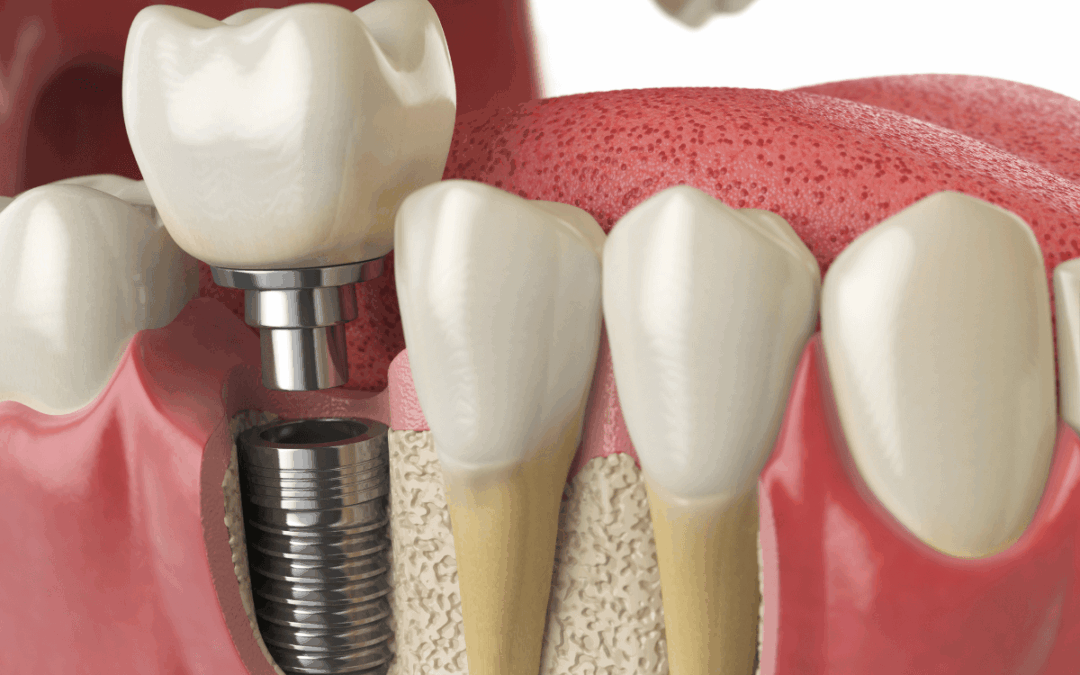
Feeling your implant move or shift can be alarming. Dental implants are meant to function like natural teeth—stable, durable, and dependable. But sometimes patients notice an unusual looseness. If that’s the case, it’s important not to ignore it. Early evaluation can make all the difference in protecting your smile.
What Does It Mean When an Implant Feels Loose?
When you say your implant feels loose, it can mean different things. Sometimes the implant body is firmly fused with the jawbone, but the crown or abutment has shifted. In other cases, the implant itself may no longer be securely anchored. If you experience this issue, it’s best to seek prompt care. Knowing the difference between minor mechanical issues and deeper biological problems is critical for long-term success.
Common Reasons Why Implants Become Loose
Several factors can lead to a feeling of looseness. Understanding these causes helps you recognize the importance of timely treatment.
- Loose crown or abutment
Often the dental crown or connecting piece (abutment) loosens—not the implant itself. This can usually be fixed by tightening or replacing those components. - Bone loss around the implant
If bone around the implant weakens, it compromises stability. Bone loss can occur due to gum disease, improper oral hygiene, or insufficient bone density before placement. - Failed osseointegration
Dental implants rely on a process called osseointegration, where the implant fuses with the jawbone. If this doesn’t occur properly, the implant may feel unstable. - Gum infection or peri-implantitis
Inflammation and infection around the implant site can erode supporting tissue. If untreated, this can lead to loosening or implant failure. - Excessive pressure or trauma
Biting forces, teeth grinding, or injury can stress the implant site, leading to mobility or damage over time.
Warning Signs That Require Immediate Attention
Loose implants rarely improve on their own. Watch for these symptoms:
-
Pain, swelling, or bleeding near the implant
-
Pus or signs of infection
-
Difficulty chewing on that side
-
Noticeable movement of the crown or implant
If you notice any of these symptoms, schedule a dental examination quickly.
Preventive Steps to Keep Implants Secure
Most implant issues are preventable. With proper care and routine monitoring, implants can last for decades.
-
Brush twice daily and floss carefully around the implant to reduce bacterial buildup.
-
Schedule regular checkups and x-rays to detect early bone loss or hardware issues.
-
If you grind or clench your teeth, use a custom night guard to prevent excess pressure.
-
Avoid chewing ice, hard candy, or other hard substances that stress implants.
-
Manage health conditions such as diabetes or osteoporosis and avoid smoking to support bone health.
Can a Loose Implant Be Saved?
In many cases, yes. If the problem is mechanical—such as a loose crown or abutment—the fix can be relatively simple. If bone loss or infection is involved, treatment may require bone grafting, deep cleaning, or, in severe cases, implant replacement. Acting quickly often determines whether the implant can be preserved.
FAQs About Loose Dental Implants
Q. What should I do if my implant feels loose?
A. Do not try to adjust it yourself. Keep the area clean, avoid chewing on that side, and schedule a dental appointment as soon as possible.
Q. Can a loose implant heal on its own?
A. No. Implants do not tighten naturally. The cause must be identified and corrected by a dentist.
Q. How do I know if it’s the crown or the implant that’s loose?
A. Often, if only the crown or abutment is loose, the implant body remains stable in the bone. A dental exam and x-ray will confirm the cause.
Q. Can bone loss around an implant be treated?
A. Yes. Treatments like bone grafting or guided tissue regeneration can restore support in many cases.
Why Early Action Matters
A loose implant is more than an inconvenience—it’s a warning sign. Ignoring it can lead to advanced bone loss, gum infection, or complete implant failure. Seeking care at the first sign of looseness often means the implant can be stabilized with less invasive treatment.
If you’re concerned about your dental implants, our team provides advanced care to restore comfort and protect your smile for the long term.